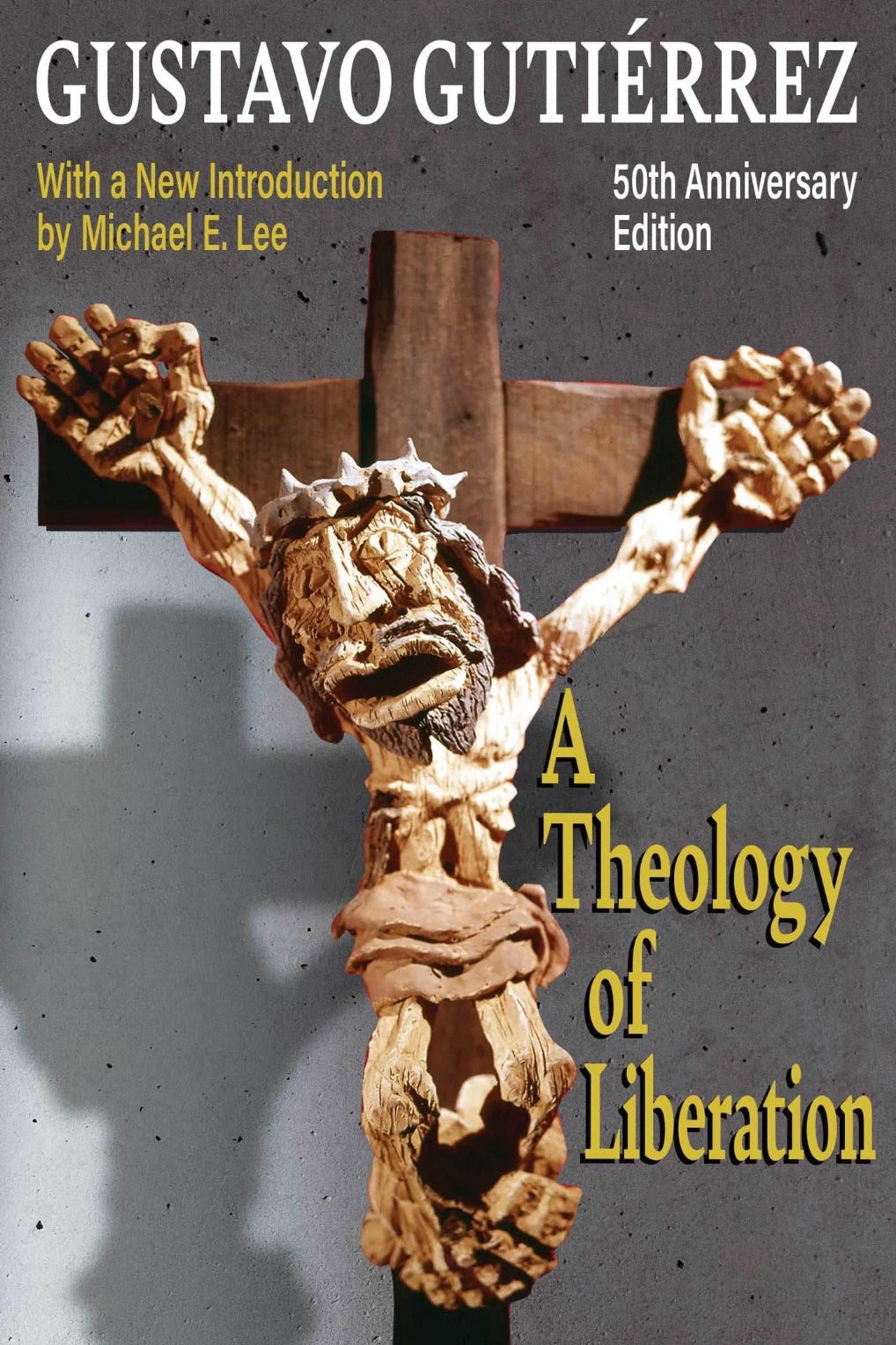
Gustavo Gutiérrez
a great Christian theologian whom at least one Jew looks up to

When people hear the word “Medellín,” drug cartels usually come to mind. I think of Liberation Theology and Gustavo Gutiérrez. Today would have been his 98th birthday.
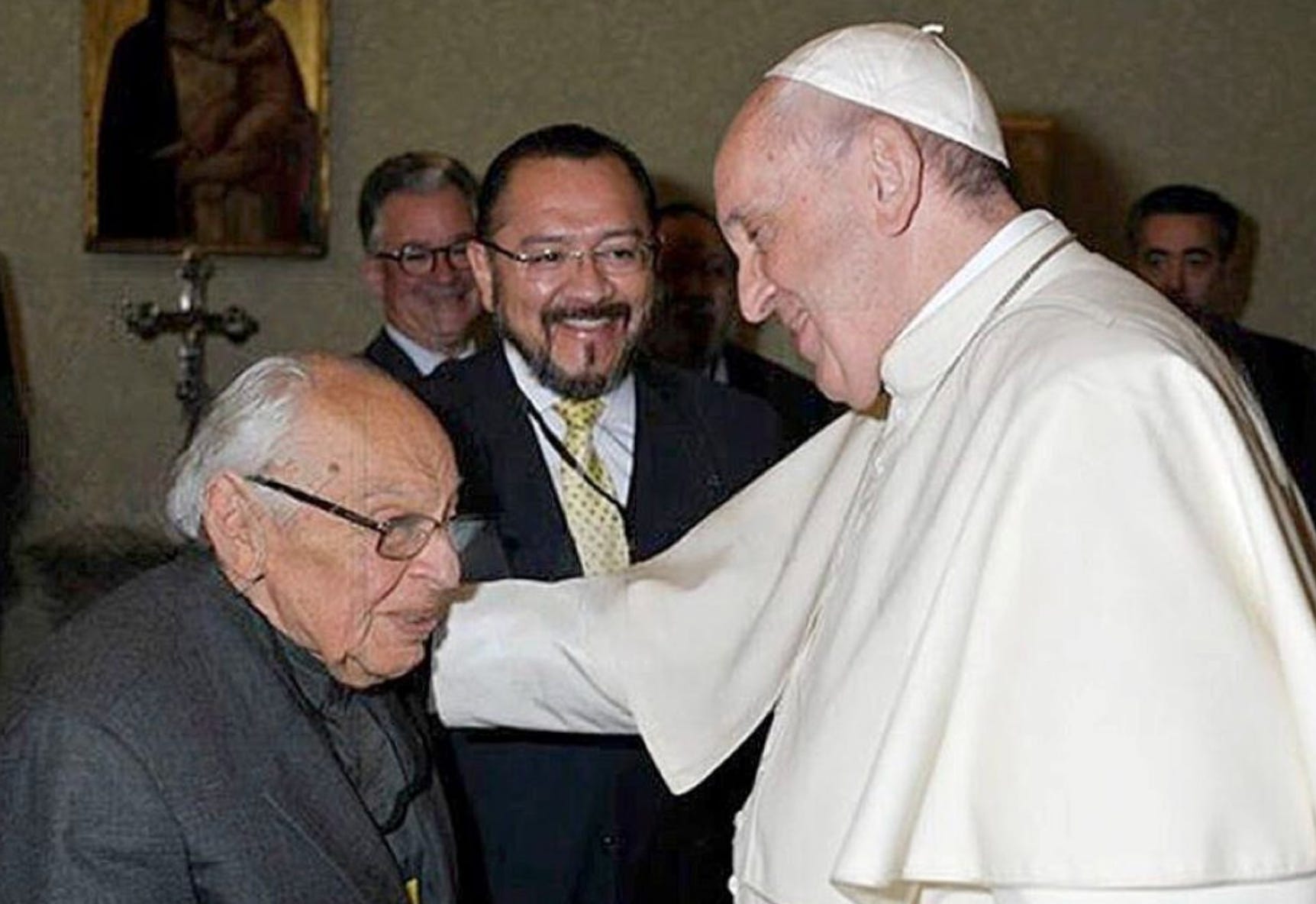
Gustavo Gutiérrez was a Peruvian Dominican priest, theologian, and, at the time of his death in 2024, professor emeritus of theology at Notre Dame University, having decades earlier been driven to leave South America by fascists and unsupportive church leadership in Lima and Rome.
The Second General Conference of Latin American Bishops, aka The Council of Medellín, in Columbia, 1968, was the philosophical birthplace of what became Liberation Theology. The bishops considered three main challenges elucidated by Pope John XXIII’s Vatican II Council of 1962-65. The church must, according to the pope, address modernity, ecumenism, and poverty. Of course, as church leaders in Latin America, the Medellín bishops came to focus on poverty among their congregations.
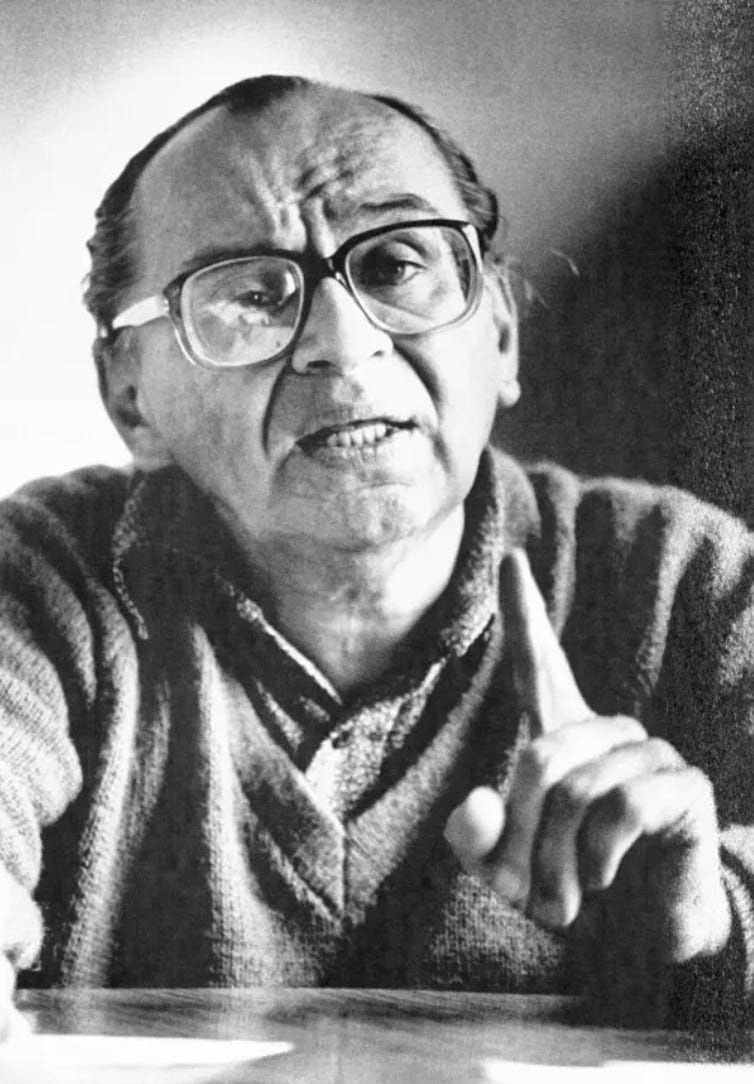
Gustavo Gutiérrez was among them and took a leadership role in developing, writing, and preaching. So much so, he is called The Father of Liberation Theology. However, one of the movement’s central tenets is the notion of Christian Base Communities operating according to a Preferential Option for the Poor. The operating idea was that the Church’s priority must be the physical and spiritual needs of communities of poor people. Any spiritual leader would take their cues from their congregations, and be responsible, not for telling such communities how to endure oppression, but for aiding them in presenting their needs to the greater church and society while denouncing institutionalized economic and political violence.
Gustavo’s speeches and writings were presented to me by the man himself during my first semester as an undergraduate at University of Michigan. They had a profound influence on my approach to issues of social justice. I recommend his famous book, A Theology of Liberation, and another, The Power of the Poor in History.